I first came across the concept of Legal Personhood of natural entities as part of organising an unrelated event for the Australian Water Association. The idea seemed interesting enough to linger on long after. Coincidentally, I came across it again while taking an environmental law course where I had the opportunity to explore it with an essay on the topic.
At the risk of being reductionist, I describe the idea of legal personhood as a status in which the natural entity such as a river or a forest is granted legal recognition and/or rights; its objective is to enable natural entities to participate more proactively in the their own affairs through a nominated representative body. ‘Living entity’ is distinguishable from ‘legal personhood’ in its lack of ‘legal standing’. Yarra River in Victoria, for example is legally granted a ‘Living Entity’ status through the Victorian state legislation while Whanganui River in New Zealand has been granted more substantial legal personhood status.
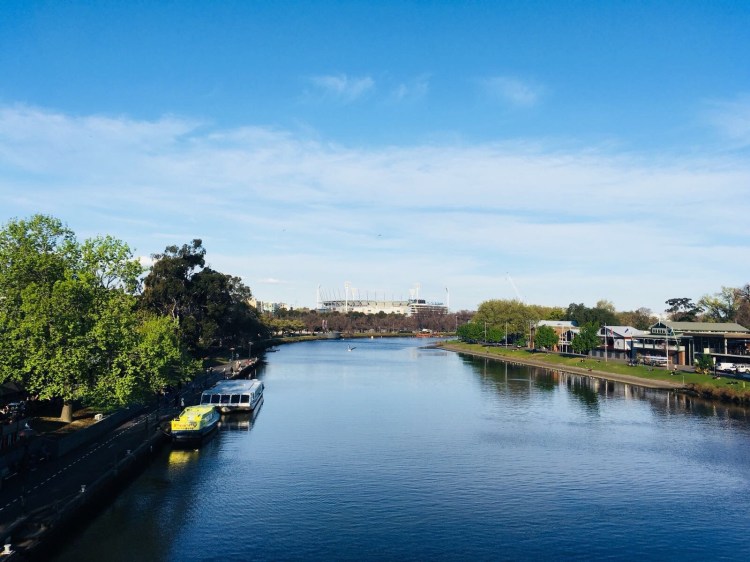
While it may appear that both ‘living entity’ and ‘legal personhood’ are grounded in law, they function very differently from one another. The ‘living entity’ status for Yarra River in Melbourne has allowed the establishment of the Birrarung Council to be its voice and a recognition of its significance. The ‘legal personhood’, however, goes a lot further than establishing a voice for the Whanganui River (through the office of Te Pou Tupua) by giving the river ‘legal standing’ to sue and be sued in court. At the time of its enactment in 2017, The Te Awa Tupua Act was the first in the world to give such a legal right to a river. Sadly, this new status did not change the existing property rights of privately owned land along the river, leaving these areas outside the reach of the Te Pou Tupua.
In practice, scholars like Dr Erin O’Donnell, caution against using the model of Whanganui River for recognition of other water bodies. They contend that, while it may have been appropriate for Whanganui River due to historical reasons, these legal rights may alienate segments of the community. An example of this was seen in the case of Lake Erie in Teledo, USA. The lake was given legal personhood which was soon stripped away due to the opposition of local farmers which saw these new rights in competition with their own water allocation rights. This example illustrates, how legal personhood should be considered carefully taking into account the significance it plays within the community and engaging those it affects.
Conversely, the community has been more receptive and less threatened by the prospects of recognising natural entities as ‘living entities’. In fact, the Victorian Government in Australia is currently considering engaging with Traditional Owners as part of Water is Life Roadmap to recognise other water entities in the State as ‘living entities’ with Traditional Owners as its voice. It is hoped that such developments in Victoria will provide impetus to similar movements in other Australian and international jurisdictions so that our natural environment can be better represented and protected.
Further reading:
“Should rivers have legal rights?” by Melbourne Law School

