Water quality impacts us all and that impact is felt in many different ways when water is used for agriculture, recreation, industry and drinking. In this post, we will focus primarily on the Victorian laws that are intended to protect water quality of the surface and groundwater resources. This is distinguished from the quality of potable water that ultimately ends up at our taps which is governed by a series of additional laws.
I have already written about other laws that operate in water sector such as Water Industry Act 1994 and newly enforced Environment Protection Act 2017. These are good resources if you want to learn more about laws governing our industry.
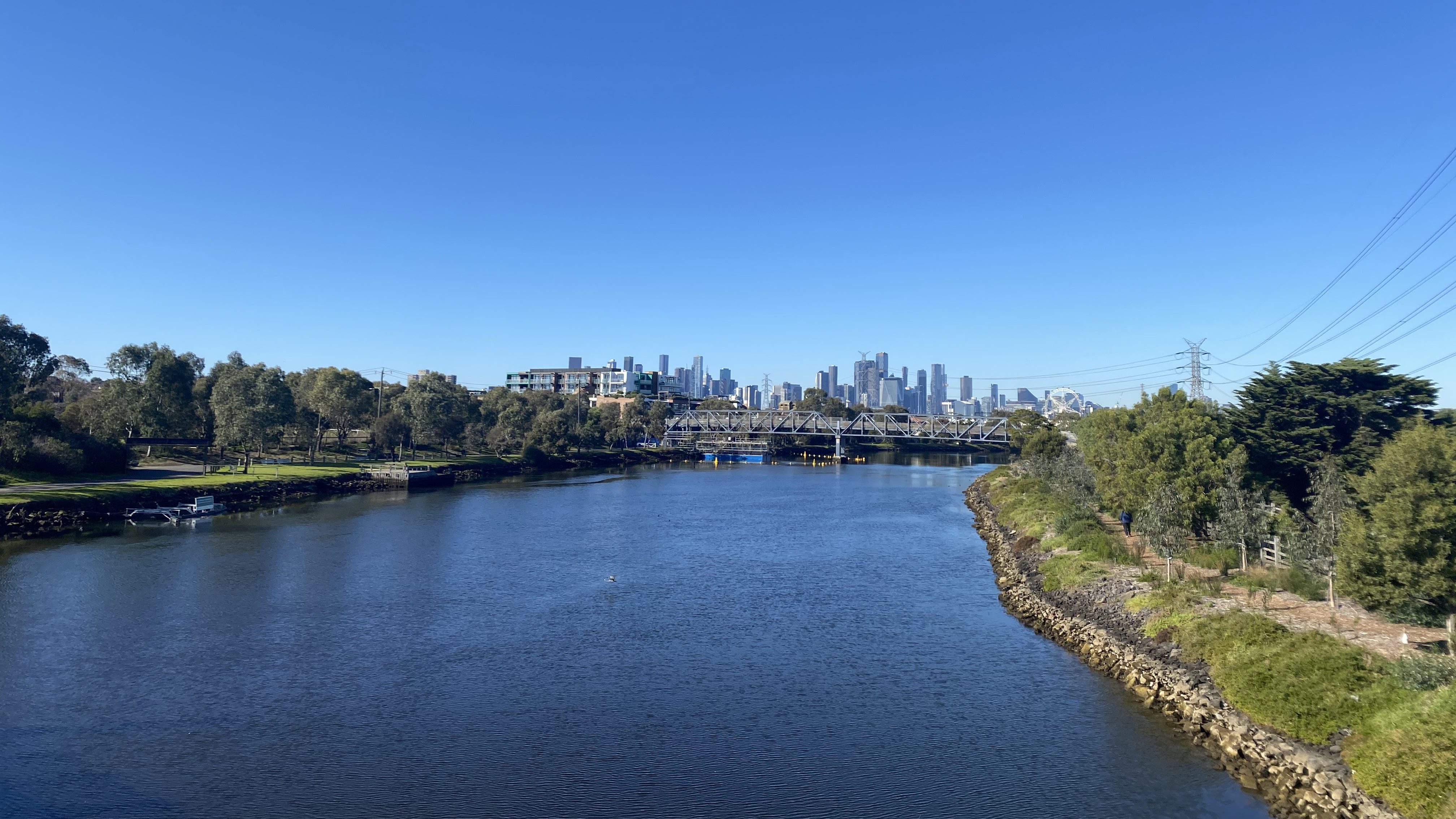
Unlike countries like the US, there is no single Act or government agency that is responsible for the protection of our waterways against pollution in Australia. The relevant laws are State based and can be rather complex, evidenced by the multicipity of the laws that operate in this space.
In Victoria, the Environment Protection Act 1970 was one of the primary mechanisms through which our groundwater and surface water in Victoria were protected. This act was replaced by Environment Protection Act 2017 (EPA 2017) and came into force in 2021. It is the responsibility of Environment Protection Authority Victoria (EPA Vic) to enforce this new Act working closely with the Department of Energy Environment and Climate Action (DEECA). However, EPA 2017 is not the only law that helps protect the quality of our water resources. Certain provisions of the Water Act 1989 and Catchment and Land Protection Act 1994 (CALP Act) also intent to achieve improved water quality.
The EPA 2017 creates a positive legal duty for any person engaged in an undertaking or running of a business to minimise risk and harm to human health to groundwater and surface water. This, in effect, means that anyone caught polluting the environment will be penalised for their conduct. While this may discourage intentional, reckless, or negligent pollution by individual actors, it does little when the pollution is due to other factors such as bushfires (as ash and firefighting chemicals contaminates the catchments), or historical quality issues (most notably seen today in the state of Maribyrnong river and Yarra river).
To address these issues, the Water Act 1989 was established with an expressed intention to “provide formal means for the protection and enhancement of the environmental qualities of waterways and their in-stream uses”. An example of the type of work that is giving effect to the objects of the Water Act can be seen in the Healthy Waterways Strategy 2018-2028. It has targets to improve water quality by reducing agricultural runoff, maintain quality for recreational use, and reduce sewer treatment plant discharge where possible.
Finally, the CALP Act intents to encourage an Integrated Management for the protection of catchments. This is the legal instrument by which Catchment Management Authorities (CMAs) are established and sets out a duty for them to develop catchment strategy and monitor its implementation. Healthy Waterways Strategy is born out of this obligation and its progress can be monitored via a dedicated website and production of annual reports
 QANAT
QANAT 