In the vast expanse of Australia’s water management systems, Victoria stands out for its unique approach. Unlike some of its counterparts in other jurisdictions, Victoria enjoys a decentralised water industry. This intricate network involves various entities, including catchment authorities, rural, urban, and metro water corporations, working together to serve the needs of nearly 6.5 million Victorian residents.
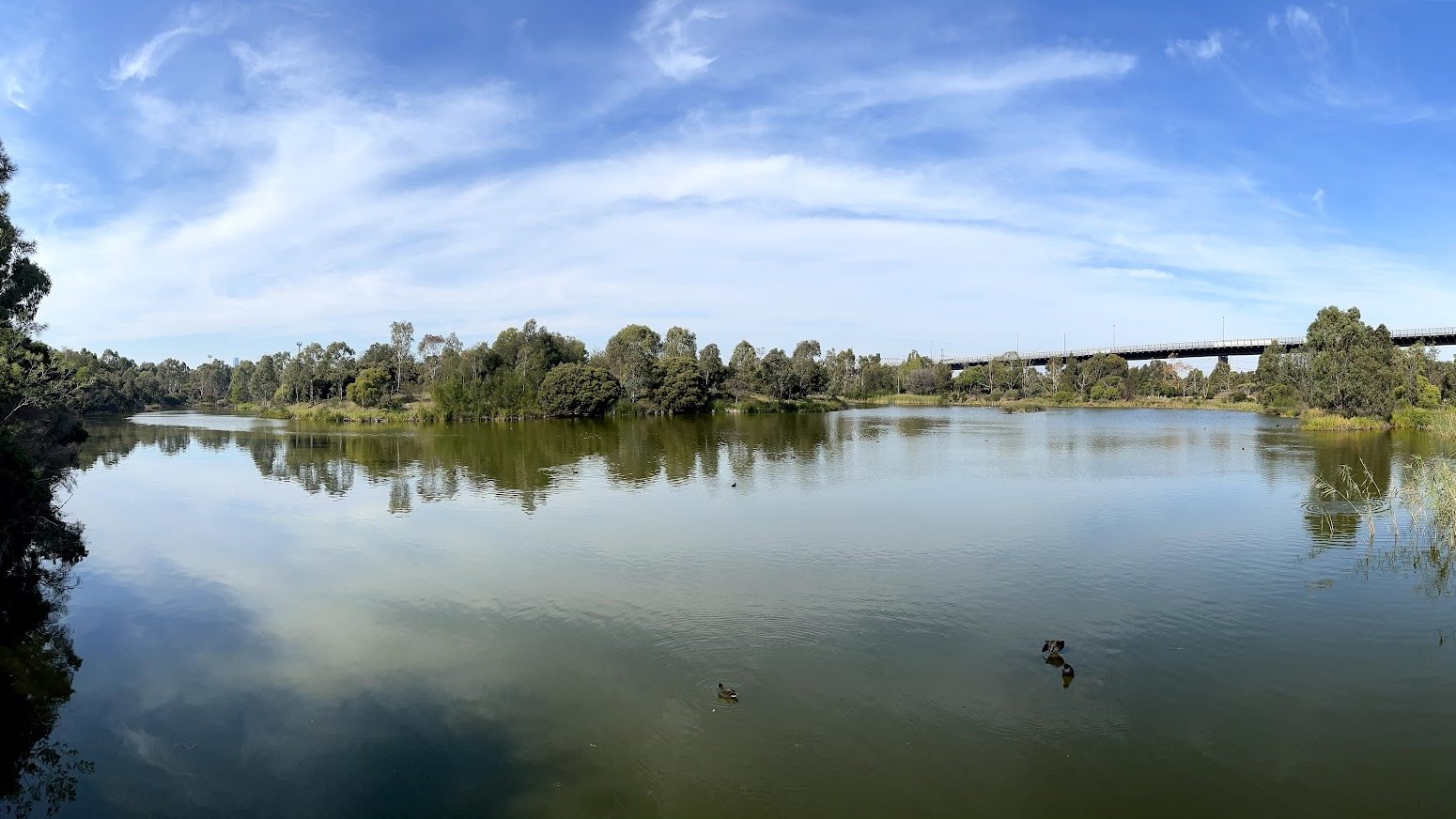
At the heart of Victoria’s water management structure is the catchment authorities which also includes Melbourne Water. These entities bear the responsibility of managing stormwater runoff and safeguarding our waterways. Melbourne Water, in particular, shoulders additional duties, including the management of bulk water distribution, sewer collection, and treatment.
In contrast, rural, urban, and metro water corporations have a customer-facing roles in delivering water, sewer, and drainage services to residents in their locality. These corporations tailor their operations to suit local conditions and address the unique needs of their respective customers. Yarra Valley Water, South East Water, and Greater Western Water are probably the most recognisable of these metro water corporations in Melbourne. You have most certainly come across one of these entities when paying your water bills.
A unique feature of our water industry is its reliance on a multitude of contractors and consultants. These professionals, organised into panels, offer a range of services, from engineering expertise to construction capabilities. Such partnerships facilitate the execution of projects across the state, ensuring efficiency and quality in service delivery. An example of this can be seen in the arrangements Yarra Valley Water has with Ventia as its principal civil contractor and Jacobs as its principal consultant.
Despite their government oversight, Victoria’s water authorities operate as statutory corporations, maintaining a degree of independence in their decision-making processes. This autonomy is intended to foster innovation and adherence to best business practices, ultimately enhancing efficiency and delivering value for money to consumers.
Central to the regulatory framework governing Victoria’s water industry is the Essential Services Commission (ESC). Tasked with oversight, the ESC plays a crucial role in evaluating the expenditure plans submitted by each corporation every five to six years. Through its rigorous PREMO (Performance, Risk, Engagement, Management, and Outcomes) review process, the ESC assesses the rationale behind proposed expenditures and ensures robust consultation with customers have taken place. This transparent evaluation mechanism serves as a barometer for the industry’s health and often signals the location of significant projects and job opportunities within Victoria’s water sector.
 QANAT
QANAT 