As the holiday season approached, I found myself in the picturesque city of Vancouver, BC, Canada, to celebrate Christmas and welcome the new year. Besides the stunning landscapes and vibrant culture, what truly caught my attention was the city’s dedication to renewable energy, particularly through the use of hydropower, renewable natural gas (or biogas), and solar power.
The backbone of Vancouver’s sustainable energy efforts is managed by BC Hydro, a statutory corporation and a key player in the province’s energy sector. Under BC Hydro’s guidance, the province generates nearly all its electricity needs via renewable sources. During my stay, I had the privilege of conversing with a former BC Hydro employee who shed light on the meticulous project management practices employed by the organisation. Their commitment to best practices in project management has undoubtedly played a pivotal role in achieving and surpassing high targets for renewable energy generation.
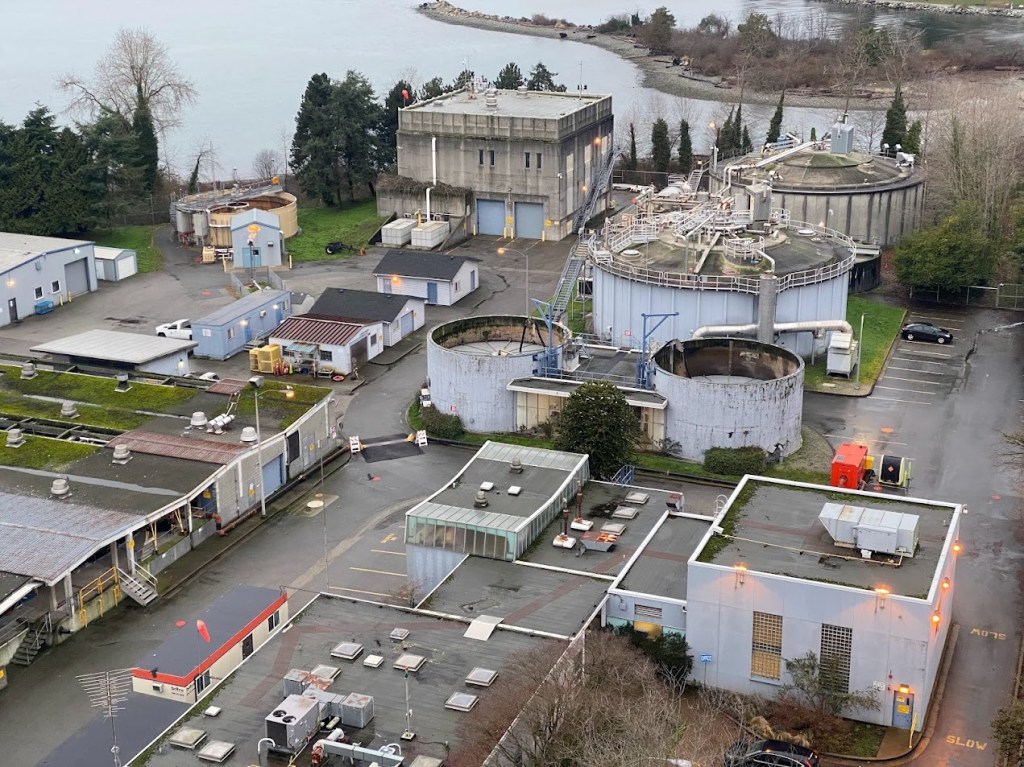
A close affiliate of BC Hydro is Metro Vancouver, a federation of municipalities responsible for managing water services in the region of the same name. My visit to the Lions Gate treatment facility was reminiscent of the Eastern Treatment Plant here in Melbourne specially in the design of the identical roof structures and arrangements of the treatment processes. One particular highlight of the site, which is a relatively small by Melbourne standards, was the innovative production of biogas, a by-product of the treatment process. This indicated to me that the biogas production is a standard part of the process design in treatment plants in the province. A closer look at their energy composition shows that there are currently five facilities in the province that generate biogas as a renewable source of energy. The latest of these facilities is being planned for construction in the Lulu Island Wastewater Facility with a price tag of CAN$11.2 million. The biogas in these facilities is subsequently sold to customers that are looking to reduce their carbon emission.
The utilisation of biogas in wastewater treatment plants as a source of renewable energy is an ingenious way to promote circular economy. It not only addresses the energy demand of the treatment processes but also reduces reliance on traditional energy sources.
Vancouver’s commitment to renewable energy and sustainable practices serves as a shining example for other cities around the world including Melbourne. Their integrated approach, incorporating both hydropower, solar energy, and biogas showcases the importance of diversification in achieving ambitious sustainability goals. Moreover, the effective project management practices employed by BC hydro set a standard for efficient execution in the renewable energy sector.
As I reflect on my time in Vancouver, I am inspired by the city’s leadership in creating greener and more sustainable future. The lessons learned from their renewable energy initiatives and wastewater treatment practices gives me hope that there is more that can be done here at home if we dare to dream big and invest in new sources of renewable energy such as biogas.
 QANAT
QANAT 