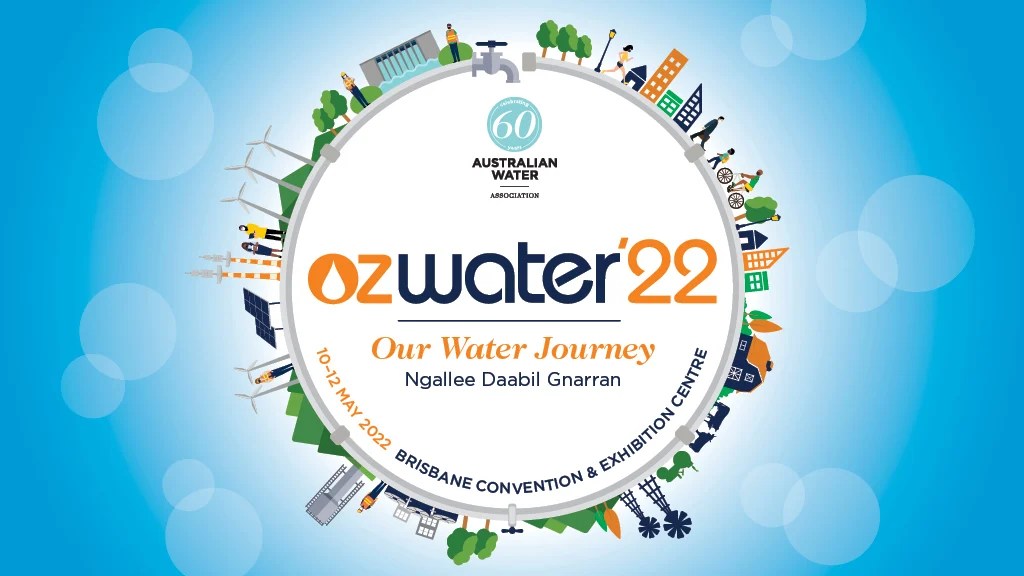
OzWater is the premier conference in the water and wastewater industry held each year in a different state to allow a range of specialists and academics present their case studies and research. This year OzWater was held from 10th May to 12th May 2022 at Brisbane Convention and Exhibition Centre and was sponsored by SEQ Water and Urban Utilities. The program each year reveals current trends in the water industry. Let’s have a closer look at some of these trends this year.
Data-driven Management
Big data has been a significant industry disruptor for a long time. The water industry particularly has seen big changes in the way it collects and processes data. One of the main benefits of data-driven operation is that it is able to match demand and supply in our water and sewer network. Data-driven planning and management could also mean that we are able to identify faults such as leaks in the network quickly or to optimise hydraulic capacity of our existing assets and allocate capital investments more strategically.
Circular Economy – Recycled Water
Achieving circular economy has been a game changer with particular and relevant implications for the water industry. Recycling water is a major trend in the industry that has been gaining momentum in recent years and has found its way into many homes built on newer estates. Not only are they valuable source of water for our non-potable water use, their nutrient rich properties means that they can be used safely in irrigation or maintaining parklands. The opportunities for circular economy does not stop here. There are many opportunities on the horizon with the waste to energy power plants, hydropower in gravity pipelines, reuse of biosolids as fertilisers, and many others.
Climate Change – Extreme Events
There has been no shortage of extreme weather events in Australia, specially on the east coast. Unsurprisingly, the theme of climate change and extreme events featured prominently in this year’s OzWater 2022 program. The industry is in a unique position to make a meaningful contribution to this area of national and international importance. There are still many challenges to be overcome. For example, during massive floods, the challenge is logistical such as emergency communication during dam failures. During extreme drought, the issue is to provide reliable water supply to affected population. During bushfires, the challenge is to protect our water source against contaminants such as fly ash from burning vegetation nearby.
Reconciliation and Inclusion
The tagline for this year’s OzWater reads “Ngallee Daabil Gnarran” which translates to “Our Water Journey”. This theme ran through the entirety of the program with speakers and artwork encouraging participants to connect with the indigenous culture and Country. Indeed reconciliation has played a big role in the water industry with many stakeholders ramping up efforts in this area and committing to a reconciliation plan. Our shared interest in the health of our waterways and land means that inclusion and diversity in the water industry is crucial and necessary.
Optimising Asset Management – Project Delivery
One of the other challenges for water and wastewater asset owners such as water authorities, councils and shires face is the effective and strategic allocation of investments on their assets. Ideally, asset owners are interested in reducing their unplanned (reactive) expenditure (for example due to a pipe burst) and increase their planned capital expenditure by planning for future failures. This can be achieved through non-destructive methods for condition assessment and of renewal of assess which undoubtedly reduce costs and improves project delivery times.
This is only a brief look at the program at this year’s OzWater. You can view the full program for the OzWater 2022 here. The following are some of the other themes of note.
- Emerging challenges – PFAS contamination
- Nature-based solutions
- Technology and innovation
- Organisational culture, systems and processes
- Improving customer experience and community engagement
- Water security through planning
- Community safeguarding and environment protection – odour
 QANAT
QANAT 