The water industry in Victoria is unique. Water authorities in Victoria are state-owned entities that are run similar to commercial businesses responsible for their own financial decisions and viability. This unique arrangement was created by the passing of Water Industry Act 1994. The water industry prior to this law was a monopoly with Metropolitan Board of Works at its helm which drew its legitimacy from an earlier act of Victorian parliament, namely Melbourne and Metropolitan Board of Works Act 1958.
The parliamentary notes and preceding inquiry (Reforming Victoria’s Water Industry: a Competitive Future”) paints a picture of the water industry prior to 1994 in urgent need of reform. The water industry up this point suffered from financial mismanagement and customer dissatisfaction with little incentive to change.
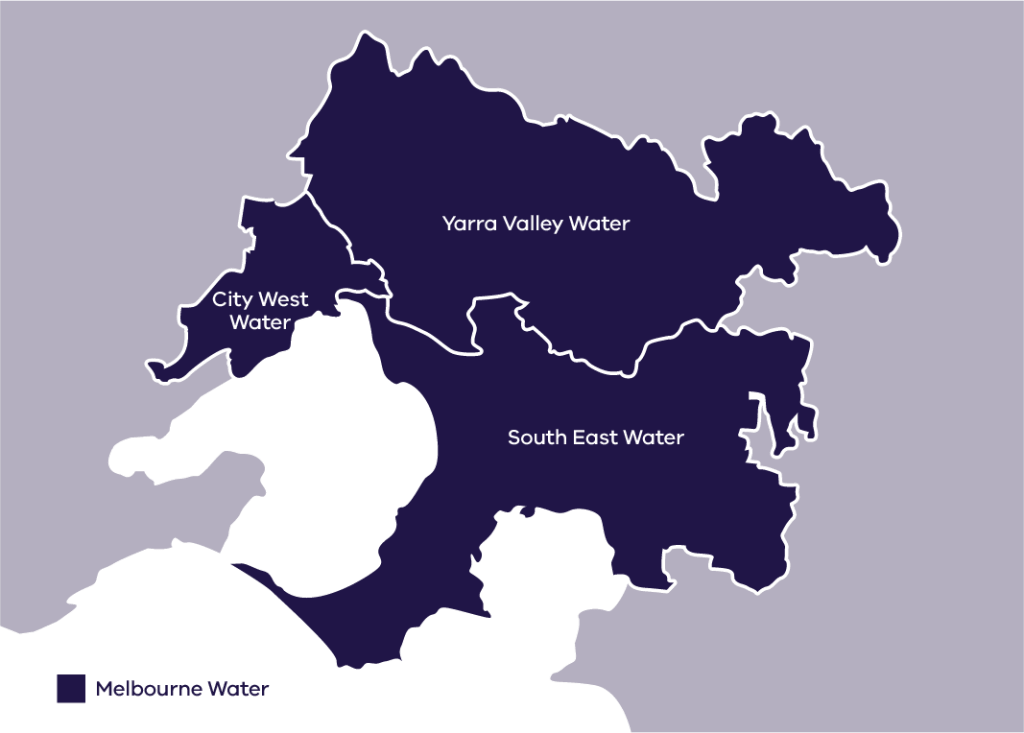
The new Act gave effect to the creation of the first metro authorities we know so well today (called licencees): South East Water, Yarra Valley Water and City West Water. City West Water has since merged with Western Water to form a larger authority called Western Water. These authorities serve customers in geographically independent areas without a direct competition for customers. It was envisaged that this new arrangement would allow customers a degree of comparison leading to an incentive for the authorities to improve their customer experience.
The Act also provided for a new billing system that is based on water and sewer usage rather than property value. In this way, consumers were incentivised to reduce their water consumption that ultimately would lead to less water wastage.
Sources:
Water Industry Act 1994
Water Industry Bill 1994 Second Reading Speech – Lower House
 QANAT
QANAT 
One thought on “The law shaping the water industry”